
BUYER GUIDE
How to Compare Martindale Abrasion Reports for Workwear
Compare Martindale abrasion reports by method, tested face and endpoint, then write a clear acceptance requirement for workwear fabric.
· Brilliant-Tex FRShield
Compare two Martindale abrasion counts only when the reports use the same method, tested face, test conditions and stopping rule. A specimen that remains intact at a planned stop gives a lower bound under those conditions. A specimen that breaks down during the test gives a different kind of result.
Choose the method for the surface exposed to wear
Specimen breakdown is the endpoint defined by the test method. ISO 12947-2:2016 determines breakdown by inspecting textile specimens at fixed intervals. Its scope excludes coated and laminated fabrics. For a coated face, ISO 5470-2:2021 describes Martindale procedures for the coated surface. For the uncoated face of a coated fabric, that standard refers users to the ISO 12947 series. Confirm the appropriate part and endpoint with the laboratory before placing the order.
State what counts as passing
In the request, name the damage criterion and the inspection interval. If acceptance means no specified damage through an agreed count, ask the laboratory to record whether the specimen reached that limit intact or stopped earlier. Where the report gives readings at inspection intervals, retain those intervals when comparing results. Treat the laboratory count as evidence for the agreed test conditions. Evaluate garment wear separately at locations such as knees, cuffs and seam edges.
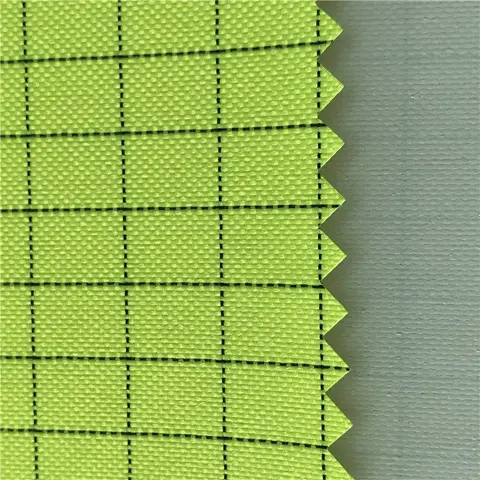
PA36EEFC6L is a 300D Oxford reference with a breathable FR PU coating. If your pattern exposes one fabric face to tool belts, straps or repeated rubbing, mark that face on the sample you send. Ask for evidence from the finished fabric and the lot you intend to approve. Verify any flame-resistance or antistatic requirements separately.
Put these details in your purchase specification
- Identify the fabric reference, proposed finish, tested face and expected wear location.
- List the method and edition, preparation, load, abrasive material and acceptance endpoint.
- Request lot and roll identification, individual specimen results, inspection intervals and the reason the test stopped.
Review testing and quality capabilities, or share your abrasion acceptance criteria.